A date appearing in a film is not evidence that a real disaster is scheduled. Claims about September 23 circulate alongside edited clips, screenshots and theories about “predictive programming.” Before treating a compilation as a warning, separate what the original scene actually shows from what a narrator says it means.
What does “predictive programming” mean here?
In this context, the phrase describes a theory that entertainment intentionally prepares audiences for future events. This article does not establish that such a coordinated plan exists. A repeated date, a fictional disaster or a resemblance noticed afterward does not by itself demonstrate advance knowledge or intent.
An alarming interpretation can be a reason to investigate a claim. It is not a reason to present that claim as established fact or to make a purchase based on a deadline.
Check the original scene before sharing a prediction
Find the full context. Identify the film or episode, release date and exact scene. Check whether the date is actually visible or spoken, and whether it refers to a disaster, an ordinary appointment or something else. Do not rely solely on a caption added to a clip.
Ask what evidence would distinguish a plan from a coincidence. A compilation selects examples that fit its theme. It does not necessarily show how often other dates appear, how many examples were excluded or whether the interpretation changed after events occurred.
Separate the claim from the evidence. A writer’s documented explanation or a verifiable record is different from an anonymous assertion about motives. Look for independently checkable material rather than treating repeated reposts as separate confirmation.
Keep uncertainty visible. If you cannot verify a scene or its meaning, say so. Earlier versions of this article repeated specific movie examples without providing scene references. Those examples have been removed rather than presented as confirmed evidence.
Use local information for real decisions
For an actual emergency, seek current instructions from the relevant local emergency-management agency, weather service, utility or other responsible authority. Check the location, date and issuing organization. A fictional date or viral prediction is not a substitute for an official warning.
Build readiness that is useful throughout the year
Focus on ordinary household needs: accessible lights, drinking water, familiar food, contact information and a plan for interruptions. Discuss where to meet, how to communicate and what family members or pets would need if routines changed. Start with supplies you already have and address the most important gaps first.
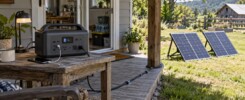
Our practical household preparedness guide provides a starting point. If backup electricity is a concern, use the solar generator planning guide to identify essential loads before choosing equipment.
For public planning resources, see Ready.gov’s emergency planning page and emergency alerts information. For a question about our guides or equipment sourcing, contact Fortress Foundry.
Preparedness should help you make clear, useful decisions throughout the year. It does not require accepting a predicted disaster date.